
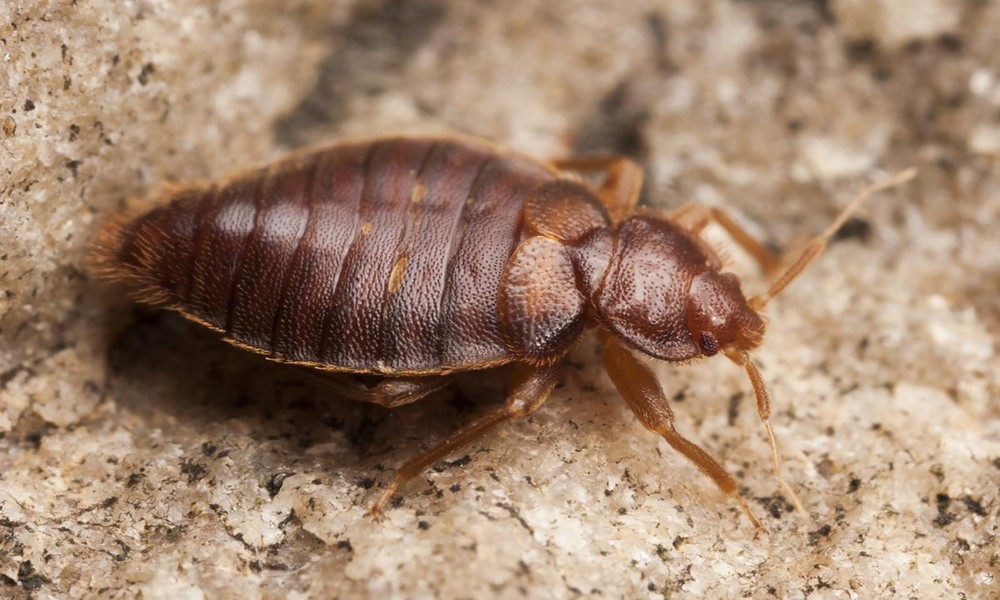

The first call Hot Bugz receives from most new clients starts the same way. Someone has found bed bugs – in a mattress seam, on a box spring, behind a headboard – and they want to know if they can handle it with something from the hardware store before calling a professional. It’s a reasonable question. Pesticide sprays are cheap, available immediately, and feel like a direct response to a frightening discovery. But the decision between chemical treatment and heat treatment isn’t really a close call when you look at what each method actually does, how long it takes, and what it costs in time, stress, and risk of failure. Denver homeowners who have been through chemical treatment before, or who have done the research, consistently end up choosing heat. Here’s why.
How Chemical Bed Bug Treatments Work – and Where They Break Down
Pesticide-based bed bug treatments depend on direct contact. An insecticide has to physically touch a bed bug to kill it. That sounds straightforward until you consider where bed bugs actually live. They hide inside mattress seams, in cracks in wooden furniture joints, inside electrical outlets, behind baseboards, inside box springs, in the folds of upholstered furniture, and inside wall voids. A pesticide spray applied to the surface of a mattress or the visible portions of a bed frame doesn’t reach the bugs in any of those places.
To compensate for this limitation, the standard chemical protocol requires multiple treatments. Three applications spread over 30 days is the industry norm – because the pesticide kills bugs that are exposed, but the eggs hatch over a period of weeks and the newly emerged nymphs must be hit by a subsequent application before they can reproduce. Miss one treatment cycle, hit too few bugs in one round, or deal with a heavily infested piece of furniture where the pesticide can’t penetrate, and the infestation persists.
The 30-day timeline is also the period during which residents continue to be bitten, continue to lose sleep, and continue experiencing the anxiety that comes with knowing the problem isn’t solved yet.
Chemical Resistance: A Real Problem in Urban Colorado
Bed bug resistance to common pesticides has been documented extensively in peer-reviewed research, and it’s more pronounced in cities than in rural areas precisely because urban populations of bed bugs have been exposed to more rounds of chemical treatment over more generations. Denver’s high hotel occupancy, active short-term rental market, and dense apartment housing stock mean that the bed bug populations circulating through the metro area have been exposed to pyrethroid-based pesticides repeatedly.
The result is that a significant portion of the bed bugs in Denver and along the Front Range are resistant to the primary insecticide class used in commercial bed bug treatments. This doesn’t mean every infestation will fail to respond to chemicals – some will. But it means the failure rate is meaningfully higher than it was 15 years ago, and it means that a homeowner who spends 30 days on a three-round chemical treatment protocol may end up needing to call a heat exterminator anyway, having lost a month and spent money on a process that didn’t work.
What Heat Actually Does to Bed Bugs
Heat extermination works on a completely different principle. When the interior of a home is raised to the thermal death point for bed bugs – roughly 120°F at the bug’s location – every bed bug and every egg in the space is killed. Not most of them. Not the ones in easily accessible areas. All of them, regardless of where they’re hiding.
The thermal death point is not affected by resistance. There is no genetic adaptation that allows a bed bug to survive temperatures that denature its proteins. A bed bug that has survived multiple rounds of pesticide treatment will die in a properly conducted heat treatment, full stop.
The other characteristic of heat that makes it effective is penetration. Properly circulated heat doesn’t stay on surfaces – it moves through furniture, into wall voids, behind baseboards, inside box springs, through the interior of mattresses. The bugs and eggs that a pesticide spray could never reach physically are reached by convective heat. The goal of the treatment is to hold every part of the space, including the interior of all furniture and structural cavities, at the lethal temperature for a sufficient period of time.
This is why a single heat treatment accomplishes what multiple chemical rounds cannot. There are no survivors to reproduce. There are no eggs waiting to hatch into the next generation. The infestation ends the same day.
The Health and Safety Dimension
For Denver families with young children, pets, or anyone with respiratory conditions, the chemical treatment timeline introduces a persistent low-level concern. Pesticide residuals remain in the home after each application. The requirement to stay out of treated areas for a period after each spraying is manageable once, but when three rounds of chemicals are required over 30 days, that exposure accumulates.
Heat treatment leaves no residual. Once the space returns to normal temperature, there’s nothing in the air, on the surfaces, or in the furniture. Pets can return. Children can sleep in their rooms. There’s no off-gassing, no restriction period beyond the treatment day itself, and no concern about repeated pesticide exposure.
This matters particularly in the Denver area for families with pets. Dogs and cats that spend significant time on floors and upholstered furniture are at greater exposure risk from pesticide residuals than humans, simply because of the surfaces they contact and the amount of time they spend low to the ground.
The Real Cost Comparison
Chemical treatment appears cheaper per visit. When you account for the full protocol – three visits, 30 days, the cost of preparation for each visit, potential replacement of items that can’t be adequately treated, and the real possibility that the treatment fails and heat is required anyway – the cost advantage disappears quickly.
The comparison that actually matters is: one properly executed heat treatment versus three chemical treatments with a realistic chance of needing a fourth or fifth round. In that comparison, heat wins on cost. It also wins on time. A heat treatment takes one day. A chemical protocol takes a month of your life while the problem continues.
Why Hot Bugz Uses Heat and Nothing Else
Hot Bugz doesn’t offer chemical treatment as an alternative. This isn’t a marketing position – it’s a practical one based on 16 years of doing this work in Colorado. Chemical treatment produces too many failures against the resistant bug populations common in the Denver metro area, requires too many visits over too long a timeline, and leaves families managing pesticide exposure throughout. Heat produces a definitive result on a single day, with a guarantee.
If you’re in Denver or along the Front Range and are weighing your options after a bed bug discovery, contact Hot Bugz for a same-day inspection. The inspection confirms whether live bugs are present before any treatment is scheduled – because treating without confirmation isn’t something we do.


Leave a Comment