
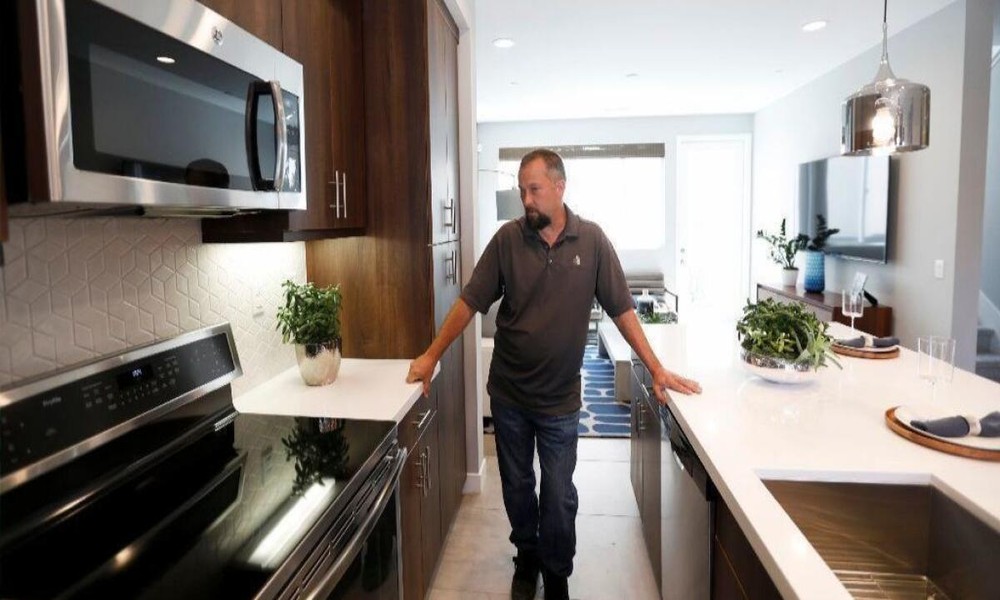

The kitchen is changing across Los Angeles homes. Clean energy rules guide this visible shift. State mandates push households toward electric systems. Gas appliances lose favor in new projects. Residents explore new tools for daily cooking. Builders adopt updated plans for modern living. Designers rethink spaces for electric use. The change feels steady and clear. Now the kitchen reflects wider climate goals. The shift connects policy with everyday routines.
Policy Drives Change in Homes
California enforces strong decarbonization policies today. These policies shape residential construction decisions. Local codes limit gas connections in new homes. Many nearby cities adopt similar standards. Builders respond with all electric designs. Permits often support these updated plans. So, developers choose induction stoves and electric ovens. The shift lowers household carbon emissions. The kitchen becomes a key focus area. Residents adjust to modern appliances. Training programs help explain new systems. Guidance supports safe and effective use. The transition moves forward with clear intent.
Technology Redefines Cooking
Electric cooking technology improves at a fast pace. Induction systems offer efficient heat control. Surfaces stay cool during active cooking sessions. Meals cook evenly with less wasted energy. Chefs value consistent and responsive performance. But some users must change cookware types. Compatible pans work best with induction surfaces. Brands expand options for modern kitchens. Showrooms display advanced electric appliances. Smart features add control and convenience. Users manage settings through mobile devices. Cooking becomes simple and precise. The experience feels clean and quiet.
Market Shifts in Los Angeles
Retail markets show clear signs of transition. Stores increase stock of electric products. Sales teams study features and benefits closely. Training improves communication with customers. The phrase buying kitchen appliances in Los Angeles reflects this growing trend. Consumers search for efficient and modern options. Supply chains adjust to changing demand levels. Manufacturers focus on electric product lines. Prices differ across brands and capabilities. Incentives support purchases in many cases. Shoppers review energy savings and long-term value. The market evolves with steady momentum.
Design Trends Follow Energy Goals
Kitchen design adapts to electric requirements quickly. Layouts change to fit new appliances. Ventilation needs differ without open flames. Cabinets align with updated equipment sizes. Countertops support sleek induction units well. Designers prefer bright and open concepts. Electrical systems require careful planning. Panels must handle higher energy loads. So, architects include power design early. Materials reflect sustainable choices more often. Recycled options gain steady attention. Lighting also improves energy efficiency. The kitchen becomes a refined energy space.
Challenges and Consumer Response
The transition brings some practical challenges. Initial costs can feel higher for buyers. Contractors manage complex installation steps carefully. Planning ensures safe and efficient systems. But rebates reduce some financial pressure. Public programs support wider adoption across communities. Education campaigns address safety and performance concerns. Cooking habits influence personal choices. Some residents still prefer gas methods. Experience often shifts these preferences over time. Electric systems gain trust through daily use. Adoption continues to rise steadily.
Conclusion
Los Angeles kitchens continue moving toward electric futures. Policy and innovation drive this steady progress. The shift reduces emissions and improves efficiency. Markets respond with better products and services. Design trends align with modern energy goals. Challenges remain but solutions expand each year. Residents adapt with growing confidence. The kitchen reflects a broader environmental commitment. This change shapes daily life in practical ways.




Leave a Comment