
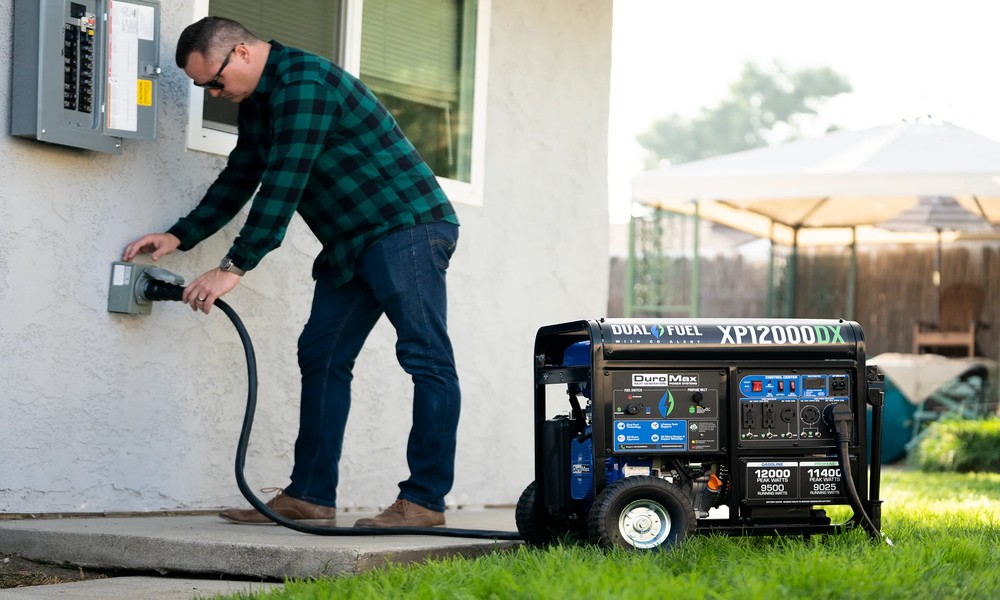

Power outages are never convenient, but they can be especially disruptive for homeowners with larger properties. Throughout the Austin, Texas area, many homes feature detached garages, workshops, guest houses, backyard offices, hobby buildings, and other secondary structures that require reliable electricity. When severe weather, utility failures, or unexpected grid interruptions occur, maintaining power to these spaces often becomes just as important as keeping the lights on inside the main home.
For many property owners, a portable generator interlock installation Austin TX solution offers an affordable and flexible way to provide backup power during outages without investing in a full standby generator system. When professionally installed, an interlock kit allows homeowners to safely connect a portable generator to their home’s electrical panel and selectively power essential circuits when utility power is unavailable.
However, larger properties create unique backup power challenges. Understanding how interlock kits work with detached structures, subpanels, workshops, and home offices can help homeowners make informed decisions about their emergency power strategy.
Why Larger Properties In Austin, Texas Have Different Backup Power Needs
Many modern Austin properties are designed for more than just residential living. Homeowners often rely on detached spaces for:
- Home-based businesses
- Woodworking or metalworking shops
- Backyard offices
- Art studios
- Guest houses
- Rental casitas
- Vehicle storage garages
- Agricultural buildings
- Equipment sheds
During an outage, these structures may contain valuable equipment, computers, tools, refrigeration systems, internet hardware, or security systems that homeowners want to keep operational.
Unlike a smaller home where backup power needs may be limited to refrigeration, lighting, and HVAC equipment, larger properties require a more strategic approach to power distribution.
This is where a properly designed portable generator interlock installation Austin TX project becomes valuable.
Understanding How Generator Interlock Kits Work
A generator interlock kit is a safety device installed directly on the home’s electrical panel. Its purpose is to prevent utility power and generator power from energizing the panel simultaneously.
Without an interlock mechanism, electricity from a generator could backfeed into utility lines, creating a dangerous situation for utility workers and potentially damaging electrical equipment.
When utility power fails, the homeowner can:
- Turn off the main breaker.
- Engage the interlock.
- Turn on the generator breaker.
- Connect the portable generator.
- Energize selected circuits within the home.
The interlock physically prevents both power sources from being active at the same time, helping ensure safe operation.
Managing Detached Structures Through Subpanels
Many larger Austin, Texas homes utilize subpanels to distribute power to detached buildings.
A subpanel is essentially a secondary electrical panel that receives power from the main service panel. These are commonly found in:
- Detached garages
- Workshops
- Pool houses
- Guest homes
- Backyard offices
When planning backup power, homeowners must determine whether those subpanels will receive generator power during an outage.
In some cases, powering a detached workshop may be critical because it contains expensive equipment or serves as a business workspace. In other situations, homeowners may decide that only essential circuits inside the primary residence should remain energized.
An experienced electrician can evaluate:
- Generator capacity
- Existing panel configuration
- Subpanel loads
- Circuit priorities
- Electrical code requirements
This evaluation helps determine which structures can realistically be powered during an outage.
Prioritizing Circuits When Generator Capacity Is Limited
One of the biggest mistakes homeowners make is assuming a portable generator can power everything simultaneously.
Most portable generators have limitations. Even larger models may not be capable of running every circuit in a home and multiple detached structures at the same time.
Instead, priority should be given to the circuits that matter most.
Common high-priority circuits include:
Refrigerators and Freezers
Food spoilage can become expensive very quickly during extended outages.
Internet and Networking Equipment
Many homeowners now work remotely. Maintaining internet access can be essential for continued business operations.
Home Office Equipment
Computers, monitors, routers, and communication devices often require relatively little power compared to major appliances.
Security Systems
Alarm systems, surveillance cameras, and access controls may need to remain operational.
Medical Equipment
Households with medical devices should always prioritize these circuits.
Water Well Pumps
Some Austin-area properties outside city utility service depend on well systems for water.
Limited Lighting
Strategically selected lighting circuits improve safety and comfort during outages.
By prioritizing critical circuits, homeowners can maximize the effectiveness of their backup power system without overloading the generator.
Backup Power for Workshops and Hobby Spaces
Many Austin, Texas residents use detached workshops for woodworking, automotive projects, welding, fabrication, or hobby activities.
While it may be tempting to power every tool during an outage, generators have finite capacity.
Workshop owners should consider:
- Which equipment is truly essential
- Starting wattage requirements
- Continuous power demands
- Fuel consumption rates
- Circuit load balancing
For example, maintaining lighting, security equipment, battery chargers, and a few critical tools may be more realistic than attempting to operate multiple large machines simultaneously.
A professional electrician can calculate expected loads and help homeowners understand the practical limitations of their generator system.
Fuel Management During Extended Outages
Backup power planning goes beyond electrical equipment.
Fuel management becomes increasingly important during prolonged outages.
Portable generators commonly operate on:
- Gasoline
- Propane
- Dual-fuel systems
Each option has advantages and disadvantages.
Gasoline Generators
Gasoline units are widely available and often cost less upfront. However, fuel storage presents challenges because gasoline has a limited shelf life and may be difficult to obtain during widespread outages.
Propane Generators
Propane offers longer storage life and cleaner operation. Many homeowners appreciate the ability to store propane for extended periods without degradation.
Dual-Fuel Models
Dual-fuel generators provide flexibility when fuel supplies become limited.
Regardless of fuel type, homeowners should estimate how long they expect the generator to operate and maintain adequate fuel reserves while following all safety recommendations.
Home Offices and Remote Work Considerations
The rise of remote work has transformed backup power priorities.
For many professionals in Austin, Texas, a power outage no longer means merely losing comfort-it can mean losing income.
Home office backup power planning should consider:
- Desktop computers
- Laptops
- Modems
- Routers
- Network switches
- Monitors
- Printers
- VoIP systems
These devices often consume relatively little electricity compared to HVAC equipment or electric water heaters.
As a result, many homeowners discover that maintaining a productive home office during an outage requires less generator capacity than expected.
A properly designed portable generator interlock installation Austin TX setup can provide the flexibility needed to keep workspaces functioning while conserving available power.
Can a Handy Homeowner Install an Interlock Kit?
This is one of the most common questions electricians hear.
Many homeowners are comfortable with basic DIY projects. They may replace outlets, install ceiling fans, or handle minor repairs around the house.
However, generator interlock installations involve much more than attaching a simple bracket to an electrical panel.
The project typically requires:
- Working inside energized electrical equipment
- Installing a generator breaker
- Verifying panel compatibility
- Calculating electrical loads
- Ensuring proper grounding and bonding
- Meeting local code requirements
- Obtaining permits when required
- Performing safety testing
Mistakes can lead to:
- Electrical shock
- Equipment damage
- Fire hazards
- Utility backfeeding
- Failed inspections
- Insurance complications
Additionally, not every electrical panel is compatible with every interlock kit. Using the wrong equipment can create significant safety concerns.
For these reasons, most homeowners are best served by hiring Texas licensed electricians who regularly perform generator interlock installations and understand local Austin-area code requirements.
Why Professional Installation Matters
Professional electricians bring valuable experience to the project.
They can identify potential issues such as:
- Undersized generators
- Overloaded circuits
- Aging electrical panels
- Subpanel complications
- Improper grounding
- Code violations
- Future expansion needs
Rather than simply installing hardware, a qualified electrician evaluates the entire backup power strategy.
For larger properties with detached structures, this expertise becomes even more important. The electrical configuration may be far more complex than a typical residential setup.
Homeowners often discover that a professional assessment helps them create a more efficient and reliable emergency power plan while avoiding costly mistakes.
Choosing the Right Backup Power Solution
Every property is different.
Some homeowners only need refrigeration, lighting, and internet service. Others require power for workshops, guest houses, home businesses, security systems, and multiple detached structures.
A successful backup power system starts with understanding:
With proper planning, an interlock kit can provide an economical and highly effective solution for maintaining critical operations during power interruptions.
Final Thoughts
For Austin homeowners with larger properties, detached garages, workshops, guest houses, and backyard offices often play a significant role in daily life. When outages occur, keeping these spaces functional may be just as important as powering the main residence.
A professionally designed portable generator interlock installation Austin TX solution allows homeowners to safely utilize portable generators while prioritizing the circuits that matter most. Whether the goal is protecting food, maintaining internet access, supporting a home business, or keeping a workshop operational, a well-planned system can provide peace of mind when utility power is unavailable.
While some homeowners may be tempted to tackle the project themselves, generator interlock installations involve critical safety considerations and electrical code requirements. Working with experienced, Texas-licensed electricians helps ensure the system is installed correctly, operates safely, and provides reliable backup power when it is needed most.
Leave a Comment