
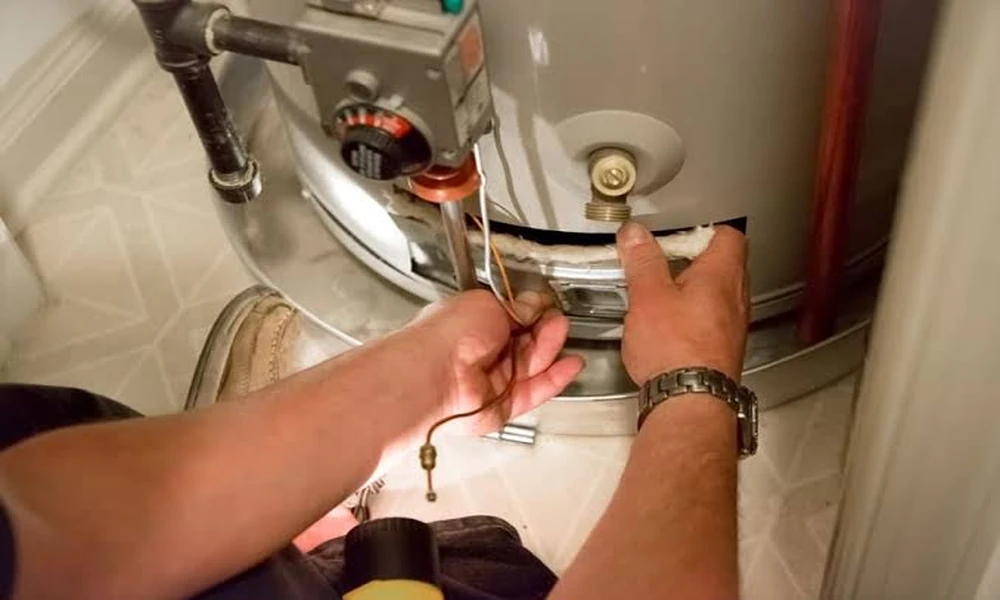

Most water heaters do not fail all at once. They drop hints first, like a shower that turns lukewarm halfway through, a faint rumble from the garage, or a reset button that keeps tripping. Each hint points to a different part, from a free adjustment to a failure no repair can undo.
Around Tampa Bay, nearly every one of those tanks sits in a hot garage or a cramped utility closet, heating mineral rich water that wears down the smaller parts long before the tank gives out.
When the easy checks run out, plenty of homeowners in Brandon, Riverview and Tampa hand the job to Hillsborough County water heater repair specialists, and Richard A. Smith Plumbing has been diagnosing, maintaining and replacing heaters of every type for local households since 2006, with free estimates before any work begins. The rest of this piece walks up the repair ladder one rung at a time, starting with the cheapest fixes and ending where repair stops making sense.
Five Checks That Cost Nothing
Rule out the simple causes first. These take minutes and no tools.
- Look at the breaker panel. Electric heaters run on a 240 volt double breaker, and a tripped one looks almost the same as one that is on.
- Find the high limit reset. On electric tanks it is usually a red button behind the upper access panel. Pressing it once is reasonable, but if it trips again, something is overheating and needs a real diagnosis.
- Check the temperature dial. Someone may have bumped it during cleaning, or a previous owner may have turned it down years ago.
- On gas models, peek through the sight glass for a pilot flame. No flame means the pilot went out, and the reason matters more than relighting it.
- Think about recent hot water use. Houseguests, a new soaking tub or back to back loads of laundry can drain a 40 gallon tank faster than it recovers.
When the Heat Comes From Two Metal Rods
Most Florida homes use electric tanks, and those rely on two heating elements, one near the top and one near the bottom, each with its own thermostat. The symptom often tells you which half failed.
No hot water at all usually points to the upper element or upper thermostat, since the top of the tank heats first. A tank that produces a short burst of hot water before going lukewarm usually means the lower element has quit. That lower element fails more often because it sits closest to the mineral sediment collecting on the tank floor, which insulates it and makes it run hotter than it should.
Elements and thermostats are inexpensive, but testing them means working near live 240 volt connections, and heavy scale on a burned element says sediment is building up inside.
Pilot Lights and the Parts Around Them
Gas heaters have their own short list of usual suspects. A pilot that lights but will not stay lit often comes down to a worn thermocouple or flame sensor, a small and affordable part.
Newer gas tanks built with flammable vapor protection add another wrinkle. They pull combustion air through a screen near the base, and in a garage that also holds a clothes dryer, lint and dust can clog that screen until the burner starves. Cleaning it fixes some cases, while others need a technician to service the combustion chamber. The pricier failure is the gas control valve itself. On a heater that is already ten years old, replacing that valve can cost enough to make a new unit the smarter choice.
Smells, Rumbles and Plastic in the Faucet Screen
A rotten egg smell coming only from the hot side usually involves the anode rod, the sacrificial metal rod that corrodes so the tank does not. Certain bacteria react with magnesium anodes and produce that sulfur odor. Swapping to an aluminum zinc anode often solves it, and checking the anode every few years is one of the best ways to stretch a tank’s life.
Popping or rumbling means sediment is boiling under a layer of minerals at the bottom. Flushing can help on a tank that has been maintained, but a tank that has never been flushed in ten years may start leaking at the drain valve once the sediment gets disturbed.
Small white plastic bits in faucet aerators can point to a broken dip tube, the pipe that carries cold water to the bottom of the tank. When it cracks, cold water mixes in near the top and hot water runs out fast. It is a modest repair if the tank is otherwise healthy.
The Valve That Drips for a Reason
Every tank has a temperature and pressure relief valve. A drip from its line is easy to ignore, yet it means pressure inside has climbed too high.
Water expands as it heats. In homes with a backflow preventer or a check valve at the meter, that extra volume has nowhere to go, so the relief valve opens to let it out. The fix is often a thermal expansion tank, a small tank mounted near the heater that absorbs the surge. If the home’s water pressure runs above 80 psi, a pressure reducing valve may belong in the same conversation. Replacing a dripping relief valve without fixing the pressure problem only resets the clock.
Reading a Puddle
Water on the floor does not automatically mean a dead heater. Location matters.
From the top. Leaks at the inlet or outlet connections often come from loose fittings or corroded nipples, both repairable.
From the drain valve. A cheap plastic drain valve can weep or crack and is usually simple to swap.
From the relief valve line. See the section above, since pressure is the likely cause.
From the tank bottom or seams. If water is seeping from the tank body itself, the steel lining has rusted through, and no part can fix that.
The Point Where Repair Stops Making Sense
A tank leak ends the conversation. Short of that, age and repair cost do most of the deciding. Storage tanks in this region commonly last somewhere around eight to twelve years, sometimes less in hard water, and the manufacture date is usually coded into the serial number on the label. A common rule of thumb says that when a repair approaches half the cost of a new heater on a unit past the decade mark, replacement is usually the better spend.
A water heater guidance document from the Town of Jupiter Water Utilities lays out how flushing and anode checks fit into routine upkeep, and that maintenance is what keeps most heaters on the cheap end of this ladder. If replacement does come, it typically requires a permit in Hillsborough County, and it opens the door to options like heat pump water heaters, which tend to run efficiently in a warm Florida garage. Until then, heeding the early hints keeps most repairs small and far cheaper than a flooded garage.






Leave a Comment