
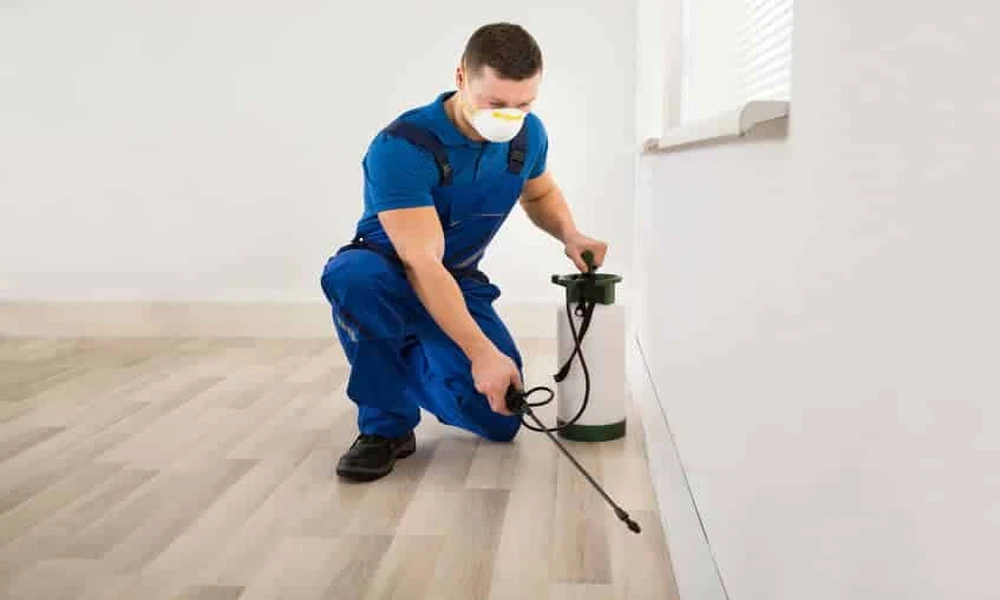

Most people picture pest control as a technician arriving with a sprayer, circling the house, and leaving. But behind that quick visit is a careful, step-by-step method. Effective treatment in a place like Tulsa, where humid Green Country summers and oak-shaded lots give ants, spiders, termites, and mosquitoes plenty of room to thrive, depends on a careful sequence of steps, each one informing the next. Knowing how this process unfolds helps homeowners set expectations and recognize quality work when they see it.
Homeowners curious about what a thorough visit involves can read more at palisadepest.com, but the essential idea is that good pest control diagnoses before it treats. Here is what a professional approach looks like, from the first knock to the final follow-up.
Step One: The Inspection
Everything begins with a detailed inspection. A trained technician examines the interior and exterior of the home, hunting for evidence. In a typical Tulsa property, this means checking:
- Foundation lines and crawl spaces for termite mud tubes or moisture issues.
- Entry points around utility penetrations, weep holes, and door sweeps.
- Attics and garages where rodents and spiders settle.
- Yards and standing water that breed mosquitoes through the long warm season.
Step Two: Identification and Assessment
Finding pests is only useful if you identify them correctly. A German cockroach calls for a different strategy than an American one. A subterranean termite demands a different response than a carpenter ant. Misidentification leads to mistreatment, which is why seasoned technicians take the time to determine the species, gauge the severity, and trace the source.
This assessment affects everything that follows. It establishes whether the issue is a minor nuisance or an active infestation, whether it is contained or spreading, and which approach will resolve it with the least disruption to the household.
Step Three: The Customized Treatment Plan
With a clear diagnosis in hand, the technician builds a plan tailored to the property. No two homes warrant identical treatment, and a responsible provider explains the recommended approach before applying anything. A sound plan typically covers:
- Targeted methods matched to the specific pest and its life cycle.
- Product selection, favoring eco-conscious options safe around children and pets.
- Treatment zones, concentrating effort on nests, harborage, and entry points.
- Scheduling, since certain pests require seasonal timing or repeat visits to break their cycle.
The team at Palisade Pest Control, which operates a local office on East 40th Street, is known for walking Tulsa homeowners through this reasoning. This willingness to explain reflects a broader reputation for thoroughness that appears again and again in customer reviews.
Step Four: Treatment and Application
Depending on the diagnosis, the treatment may involve perimeter barriers, interior baiting, targeted dusting in wall voids, termite soil treatments, or mosquito reduction across the yard. A skilled technician applies each method precisely, weighing effectiveness and the safety of everyone in the home. Good technicians also address the conditions that invited pests in the first place by sealing gaps, advising on moisture control, and flagging landscaping changes that lower future risk.
Step Five: Follow-Up and Monitoring
A visit rarely ends the story. The final stage is ongoing vigilance, which means watching for renewed activity, adjusting the plan as the seasons shift, and returning when needed. Reputable companies stand behind their work, and Palisade’s readiness to revisit a home between scheduled treatments is the kind of attentiveness that separates a dependable provider from a one-and-done operation. This continuity keeps a Tulsa home protected through the region’s distinct pest seasons, from spring termite swarms to the rodent migrations of late fall.
Why the Process Matters
Understanding these steps does more than satisfy curiosity. It equips homeowners to ask sharper questions, notice corners being cut, and appreciate why pest control costs more than a hardware-store can of spray. The inspect-first, treat-second sequence separates a lasting solution from a temporary reprieve. When the process is followed properly, pests stop being a recurring frustration and become a managed, predictable part of homeownership.





Leave a Comment