

Why Asbestos Was Used in Construction
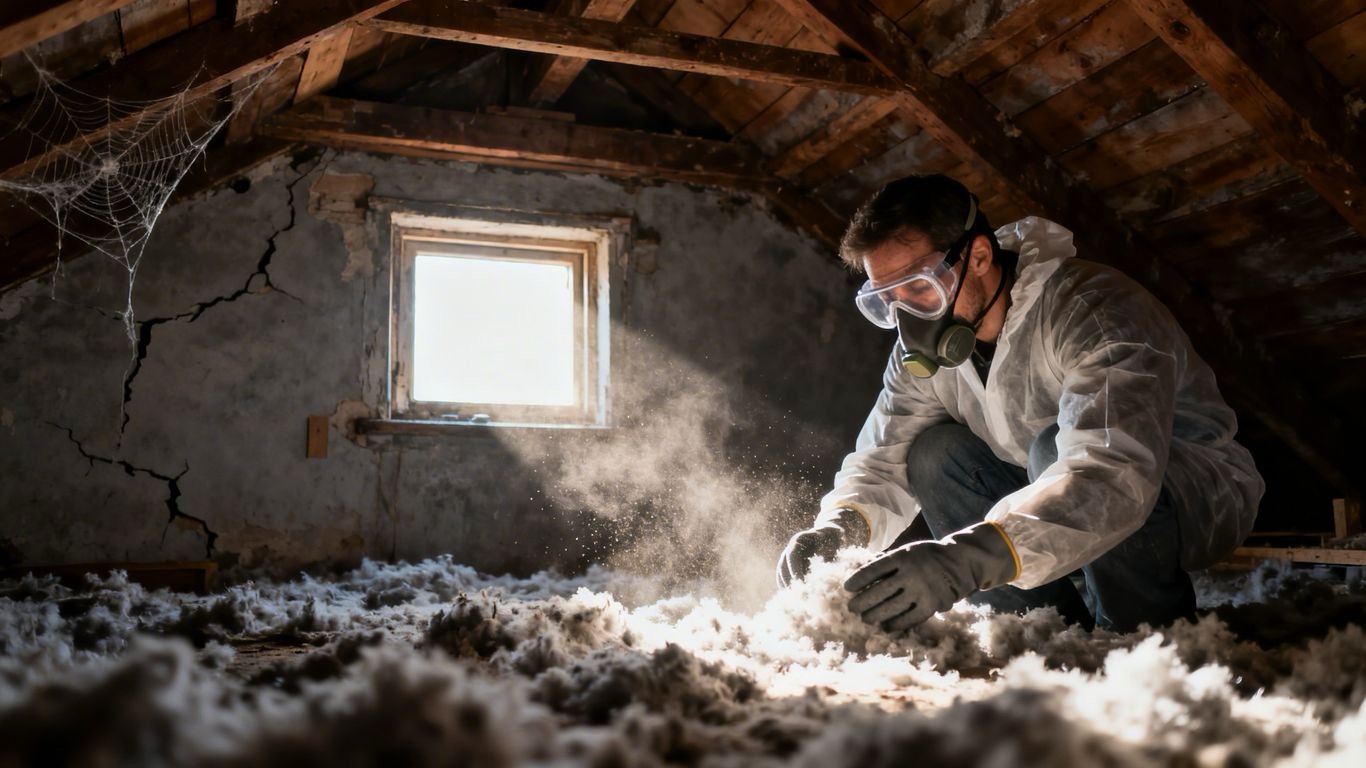
Asbestos was once hailed as a wonder material in the building industry. Its natural properties made it incredibly useful for a variety of applications. Builders favored it because it was strong, resistant to heat and fire, and quite affordable. This made it a popular choice for adding durability and safety to many home components. Think insulation, siding, roofing materials, and even floor tiles. For many years, construction companies incorporated asbestos into homes across the country. At the time, the long-term health consequences were not widely understood. It wasn’t until later that the serious risks associated with asbestos exposure became apparent.
The Dangers of Asbestos Fibers
The primary concern with asbestos lies in its microscopic fibers. When asbestos-containing materials are disturbed, these fibers can become airborne. They are so small that they can be easily inhaled. Once inside the body, these fibers can lodge in the lungs and other tissues. Over time, this can lead to serious health problems. The latency period for asbestos-related diseases can be very long, often appearing 15 years or more after initial exposure. This means that even if you don’t feel sick immediately, the damage could be occurring silently. The durability that made asbestos so useful in construction also means these fibers persist in the body and the environment.
When Asbestos Poses the Greatest Threat
Asbestos-containing materials are generally not hazardous if they remain intact and undisturbed. The danger significantly increases when these materials are damaged or altered. Common activities that can release asbestos fibers include:
- Cutting or drilling into asbestos-containing materials.
- Sanding or scraping surfaces like old paint or textured ceilings.
- Demolishing or removing old structures, such as walls or roofing.
- Replacing old flooring or insulation.
Home renovations, whether done by professionals or as DIY projects, are a major point of concern. Disturbing materials that contain asbestos can turn a seemingly safe home into an exposure risk. This is why caution is advised, especially in homes built before the 1980s, as they are more likely to contain asbestos products.
Identifying Potential Asbestos Sources
Many older homes, especially those built before the 1980s, may contain asbestos-containing materials. Because asbestos was once valued for its durability and resistance to heat and fire, it was incorporated into a wide variety of building products. It’s important to remember that asbestos is only a risk when its fibers become airborne and are inhaled. If materials containing asbestos are in good condition and left undisturbed, they typically do not pose a health hazard.
Common Household Materials Containing Asbestos
Asbestos was not limited to just one or two types of products; it was added to many things to improve their performance. Some common places you might find asbestos in your home include:
- Insulation: This could be around pipes, in attics, or within walls.
- Flooring: Vinyl floor tiles and the adhesive used to install them can contain asbestos.
- Roofing and Siding: Shingles and certain types of exterior siding were often made with asbestos.
- Textured Paints and Coatings: “Popcorn” ceilings and some textured paints used asbestos for its decorative and fire-retardant properties.
- Cement Products: Asbestos was mixed into cement for things like sheeting, pipes, and some fencing materials.
- Appliances: Older appliances like ovens, heaters, and even some dryers might have asbestos components.
Areas Where Asbestos May Be Found
Beyond specific materials, certain areas of a home are more likely to harbor asbestos. These often include:
- Boilers and Furnaces: Insulation around heating systems.
- Water Heaters: Insulation and seals.
- Ductwork: Insulation wrapping around air ducts.
- Fireplaces: Some older fireplace materials.
- Garages and Sheds: Siding and roofing materials.
Recognizing Asbestos-Containing Products
It can be very difficult, if not impossible, to identify asbestos just by looking at a material. Asbestos fibers are microscopic and often blended into other substances. The only way to be certain if a material contains asbestos is to have it tested by a qualified laboratory. If a material appears damaged, such as frayed or crumbling, and you suspect it might contain asbestos, it’s best to avoid disturbing it. Do not attempt to cut, sand, or remove it yourself. Instead, limit access to the area and consider contacting a professional for an assessment.
Asbestos Exposure During Home Renovations
Home renovations, particularly in older properties, can inadvertently lead to asbestos exposure if proper precautions are not taken. Many homes built before the early 1990s contain materials that were commonly manufactured with asbestos for its fire-resistant and insulating properties. When these materials are disturbed during demolition or remodeling, microscopic asbestos fibers can become airborne.
The Impact of DIY Projects on Asbestos
Do-it-yourself (DIY) projects have become increasingly popular, offering homeowners a sense of accomplishment and cost savings. However, tackling renovations in older homes without understanding the potential presence of asbestos can be hazardous. Activities such as cutting, drilling, sanding, or even simply removing old materials can release these dangerous fibers into the living environment. Research indicates that a significant percentage of DIY renovators working on older homes have encountered and been exposed to asbestos. It is important to assume asbestos may be present in homes built before 1990 and to approach any renovation with caution. Consider consulting resources on asbestos in older homes before starting any work.
Risks Associated with Disturbing Materials
Asbestos-containing materials (ACMs) are generally safe when left undisturbed. The danger arises when their structure is compromised. Common household items that may contain asbestos include:
- Drywall and joint compounds
- Insulation for pipes, ducts, and attics
- Vinyl floor tiles and their adhesives
- Textured paints and popcorn ceilings
- Roofing shingles and siding
When these materials are broken or cut, fibers can become airborne and easily inhaled or ingested. This can lead to serious long-term health issues, including mesothelioma, lung cancer, and asbestosis. The fibers can also settle on clothing, tools, and skin, allowing them to be transported throughout the home.
Preventing Secondhand Exposure to Family
Beyond the direct risk to the person performing the renovation, there is a significant risk of secondhand exposure to other family members. Asbestos fibers that become airborne can settle on clothing, hair, and tools. When a homeowner returns from working on a renovation, they can carry these fibers into other parts of the house, potentially exposing spouses, children, and pets. To mitigate this risk:
- Isolate the work area: Whenever possible, seal off the renovation area from the rest of the house.
- Limit access: Keep children and other family members away from the renovation zone.
- Decontaminate: Implement a strict cleaning protocol for clothing, tools, and yourself after working in the renovation area.
Professional Asbestos Assessment and Testing
When you suspect asbestos might be present in your home, especially in older properties, the most prudent course of action involves professional assessment and testing. It’s important to understand that visually identifying asbestos-containing materials is unreliable; they often look like ordinary building supplies. The only definitive way to confirm the presence of asbestos is through laboratory analysis of samples.
When to Schedule an Asbestos Survey
Several situations warrant scheduling a professional asbestos survey:
- Before Renovations or Demolition: If you plan any work that might disturb building materials, such as remodeling, repairs, or demolition, a survey is highly recommended. This helps identify potential hazards before they are accidentally released.
- Discovery of Damaged Materials: If you notice any materials that appear to be deteriorating, crumbling, or showing signs of wear, it’s wise to have them inspected. Damaged asbestos materials pose a greater risk of releasing fibers into the air.
- Purchasing an Older Home: When buying a property built before the 1980s, an asbestos survey can be a valuable part of the home inspection process, providing peace of mind about potential hidden risks.
The Importance of Licensed Inspectors
It is strongly advised to engage licensed and certified asbestos inspectors for any assessment. These professionals possess the necessary training and equipment to:
- Safely identify suspect materials without causing disturbance.
- Collect samples using proper protocols to prevent fiber release.
- Understand the regulatory requirements for asbestos testing and reporting.
Attempting to collect samples yourself is generally not recommended, as improper handling can create exposure risks. You can search for “asbestos inspection” to find qualified professionals in your area, and accredited laboratories are available through resources like the U.S. Department of Commerce. For those in the Ottawa and Gatineau regions, services like Demo Solution specialize in these assessments.
Interpreting Test Results
Once samples are collected, they are sent to an accredited laboratory for analysis. The most common testing method is Polarized Light Microscopy (PLM), which is generally accurate and cost-effective, with prices typically ranging from $20 to $100 per sample. In some cases, Transmission Electron Microscopy (TEM) may be used for greater accuracy, though it is more expensive. The lab report will indicate whether asbestos is present and, if so, what type and percentage. Understanding these results is key to determining the appropriate next steps for managing potential asbestos risks in your home. Your inspector will help you interpret these findings and discuss options if asbestos is detected.
Safe Practices for Handling Suspected Asbestos
Essential Dos and Don’ts for Homeowners
When dealing with materials that might contain asbestos in an older home, caution is key. It is never advisable for homeowners to attempt to identify or remove asbestos themselves. The safest approach involves understanding what actions to take and, just as importantly, what to avoid.
Do:
- Assume that materials in homes built before the 1990s could contain asbestos.
- Contact a licensed asbestos professional for any suspected asbestos identification, testing, or removal.
- Keep children and pets away from areas where asbestos might be present, especially if materials appear damaged.
- If you are planning renovations, schedule a professional asbestos survey before any work begins.
Don’t:
- Do not saw, sand, scrape, drill, or otherwise disturb materials that you suspect contain asbestos.
- Avoid sweeping or vacuuming debris that may be asbestos-containing; this can release fibers into the air.
- Do not attempt to collect samples for testing without professional training and equipment.
- Never dispose of suspected asbestos materials with regular household trash.
Avoiding Disturbance of Asbestos Materials
Many asbestos-containing materials, like floor tiles, insulation, or textured paints, can remain stable and pose little risk if left undisturbed. The danger arises when these materials are broken, cut, or damaged, which releases microscopic fibers into the air. These fibers can linger in the environment and be inhaled, leading to serious health issues over time. Therefore, the primary goal for homeowners is to prevent any activity that could compromise these materials. This means refraining from any DIY repairs or modifications on suspect materials. If a material looks like it might be asbestos and it’s in good condition, the best course of action is often to simply leave it alone and avoid interacting with it.
Proper Procedures for Damaged Materials
If you discover materials that appear damaged and may contain asbestos, it is critical to act with extreme care. Do not touch the damaged area. Limit access to the room or area immediately to prevent further disturbance and potential exposure to others in the household. The next step should always be to contact a qualified and licensed asbestos professional. They have the knowledge and specialized equipment to safely assess the situation, conduct testing if necessary, and recommend the appropriate course of action. This might involve encapsulation, enclosure, or removal, depending on the material, its condition, and its location within the home. Attempting to clean up damaged asbestos materials without proper training and protective gear can significantly increase the risk of exposure.
Professional Asbestos Abatement and Removal
When asbestos-containing materials in your home are damaged or pose a significant risk, professional abatement and removal become necessary. This process is not a DIY task; it requires specialized knowledge and equipment to protect both the occupants and the environment. Attempting to remove asbestos without proper training can lead to serious health consequences.
When Removal is Necessary
Removal is typically considered when asbestos-containing materials (ACMs) are:
- Damaged or Deteriorated: If materials are crumbling, flaking, or showing signs of wear, they can release fibers into the air. This is especially true for materials like insulation, ceiling tiles, or floor tiles that have been disturbed.
- Likely to be Disturbed: During renovations or repairs, even if the material itself is intact, the act of working on or near it can cause fiber release. In such cases, removal might be the safest option before work begins.
- Pose an Immediate Health Risk: In situations where there’s a clear and present danger of significant fiber release, professional intervention is paramount.
Choosing Qualified Asbestos Professionals
Selecting the right professionals is critical for a safe and effective asbestos removal process. Look for:
- Licensing and Certification: Ensure the company and its technicians are licensed and certified by the relevant state and federal agencies. This indicates they have met specific training and competency requirements.
- Experience: A company with a proven track record in asbestos abatement for residential properties is preferable. Ask for references and check reviews.
- Insurance: Verify that the professionals carry adequate liability insurance to cover any potential damages or accidents during the removal process.
- Independent Testing: Consider professionals who work with independent third-party laboratories for air monitoring and clearance testing. This provides an unbiased assessment of the work’s effectiveness. Companies that offer 100% independent testing are often a good choice because they do not also provide removal services, ensuring unbiased results [4d14].
Safe Disposal of Asbestos Waste
Proper disposal of asbestos waste is strictly regulated to prevent environmental contamination and public exposure. Professionals will:
- Containment: Asbestos waste is sealed in specially marked, leak-proof bags or containers.
- Transportation: It is transported by licensed haulers to approved landfills designed to accept asbestos-containing materials.
- Documentation: Detailed records are kept throughout the disposal process to comply with regulatory requirements.


Leave a Comment