
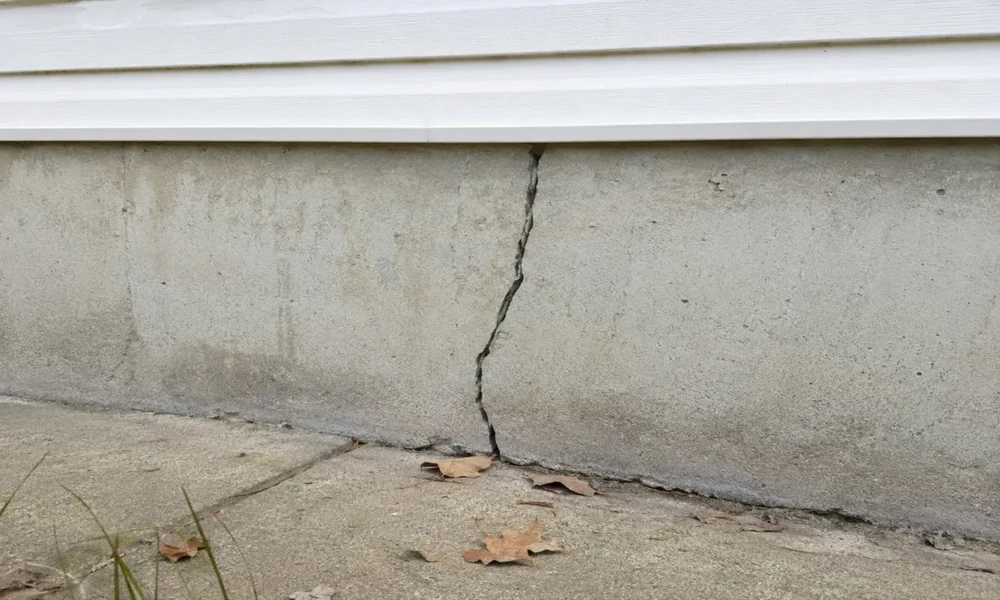

A crack above a bedroom door can look alarming in August and almost vanish by March. That is not your imagination. Homes built on the clay soils of southeast Texas rise and settle slightly as the ground beneath them gains and loses water. Walls, doors and floors record every shift. The trouble is that most homeowners only see one snapshot of that movement, usually at its worst.
Foundation specialists who have worked the same soils for years tend to trust a pattern over a single photo. Crews like Keystone Foundation Repair, a family run team serving Greater Houston, the Brazos Valley and Washington County for more than three decades, see slab and crawl space homes behave very differently from one season to the next. That experience is exactly why a simple record kept by the owner can make an inspection far more useful.
So before anyone talks about piers or lifting, it pays to understand what the house is trying to say. Then write it down.
Why One Look Is Rarely Enough
Clay behaves like a sponge with a memory. When it soaks up water, it swells. When it dries, it shrinks and pulls away from whatever sits on top of it. The UN Office for Disaster Risk Reduction describes this shrink swell behavior as ground heave during wet periods and subsidence during dry ones, with the most reactive clays able to expand by around 10 percent.
Southeast Texas gives that clay plenty to react to. Long, hot summers bake the top layers of soil. Then a tropical system or a week of spring storms drenches everything at once. A slab can lift slightly in wet months and drop again during drought.
The real damage usually comes from uneven moisture. One side of a house might sit under shade trees and a sprinkler line. The other side faces the afternoon sun with nothing to cool it. Those two sides move by different amounts, and the concrete in between has to absorb the strain.
Building a Simple Movement Log
You do not need special equipment to start. A pencil, a tape measure and your phone will cover most of it. Check these items once a month, ideally on the same day each time:
- Interior cracks. Mark both ends of each drywall crack with a light pencil tick and write the date beside it. Photograph it next to a ruler so the width is clear.
- Doors and windows. Note which doors stick, which will not latch, and where the gap above the door looks tapered instead of even.
- Floor slope. A long level or a free level app on your phone can show whether one corner of a room drops away. Record the reading in the same spot every month.
- Exterior brick and trim. Look for stair step cracks in mortar near corners and gaps opening between brick and window frames.
- Weather and watering. Jot down heavy rains, dry spells and any changes to your sprinkler schedule.
After three or four months, the notes start telling a story that a single walkthrough never could.
Reading What the Log Reveals
Some patterns point to normal seasonal swing. If a crack widens through the summer and tightens again after autumn rains, the soil is cycling. In many cases, steadier moisture around the slab can reduce that movement a great deal.
Other patterns suggest the house is losing ground. Cracks that grow wider with each cycle, doors that never return to square, or a floor reading that keeps creeping in one direction all hint at progressive settlement. That is the point where a professional evaluation becomes urgent rather than optional.
Watch for one more pattern too. A section of floor that rises in the middle of a dry spell can signal a plumbing leak feeding the clay from below. A plumber can run a pressure test on the lines under the slab to confirm it.
Texas officials treat this soil seriously as well. A technical bulletin from the Texas Department of Licensing and Regulation calls expansive soils a very common cause of foundation problems and points readers to USDA soil survey data for checking local conditions. Looking up your own county’s soil type is a smart early step.
How Repairs Match the Pattern
A good log helps whoever inspects the home recommend the right fix. Most residential work in the Houston region falls into a few broad methods.
Pressed Concrete Pilings
Stacked concrete cylinders are hydraulically driven under the slab until they meet resistance. They are common for slab homes with moderate settlement and are usually the most budget friendly option.
Steel Piers
Steel pipe sections are pushed much deeper, often reaching soil layers that barely react to rainfall. They suit homes where the log shows ongoing downward movement rather than seasonal swing.
Drilled Piers
Crews drill shafts, sometimes with a flared bell at the base, and fill them with reinforced concrete. This approach takes more time but spreads the load across a wider footprint.
Pier and Beam Adjustments
Older homes with crawl spaces often need a different approach. Repairs may involve new steel shims, added support piers, replaced sill plates or moisture control below the floor. Sagging floors in these houses frequently trace back to wet crawl spaces as much as soil movement.
No method is universally best. The right choice depends on how much the home has moved, in which direction, and how quickly.
Keeping the Ground Steady After Repairs
Lifting a slab does not change the clay underneath it. That is why the habits that follow a repair matter as much as the repair itself.
Start with water. Gutters should push roof runoff well away from the house, and soil should slope down from the foundation instead of toward it. Downspouts that dump next to the slab undo a lot of good work.
During long droughts, some Texas homeowners run soaker hoses a short distance from the foundation so the soil never dries out completely. The goal is consistency, not flooding. Too much water can cause heave just as easily as too little causes shrinkage.
Trees deserve attention as well. Large oaks and other thirsty species planted close to the house can pull moisture from beneath one corner during summer. Root barriers or thoughtful placement of new plantings can help even things out.
Finally, keep the log going. A few minutes each month gives you an early warning system that costs nothing. If the numbers stay steady through a full wet and dry cycle, the repair is doing its job. If something starts drifting again, you will catch it while the fix is still small, and you will have the records that make the next conversation with a specialist clear and productive.





Leave a Comment